How to Choose the Right Skip Size for Home Projects in Berkshire
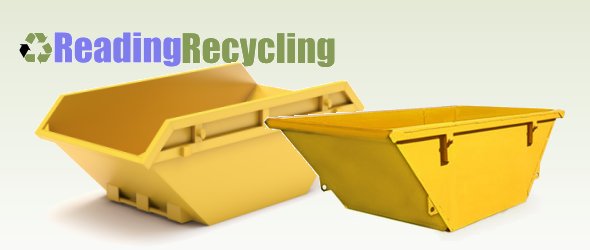
Hiring a skip is one of the most efficient ways to manage waste during home improvement projects, garden clearances, or property renovations. However, choosing the wrong skip size can lead to unnecessary costs, delays, or overfilled skips that cannot be collected.
This guide explains how to choose the right skip size for common home projects in Berkshire, helping homeowners make informed decisions and manage waste responsibly.
Why Skip Size Matters
Selecting the correct skip size is essential for both cost and convenience. A skip that is too small may overflow, while a skip that is too large may cost more than necessary. Local waste providers can offer guidance based on the type of project and the materials being disposed of.
Working with a local skip hire company in Reading ensures you receive advice based on real-world experience with similar projects in the area.
Small Projects: Skip Bags and Mini Skips
For minor projects, a full-sized skip is often unnecessary. Skip bags or mini skips are ideal for:
- Garden tidy-ups
- Small DIY tasks
- Shed or garage clear-outs
- Light household waste
These options are easier to place on residential driveways and are often more cost-effective for smaller volumes of waste.
Medium Projects: Midi Skips
Midi skips are commonly used for projects that generate a moderate amount of waste, such as:
- Bathroom or kitchen refurbishments
- Carpet and flooring removal
- Medium-sized garden landscaping projects
This skip size strikes a balance between capacity and affordability and is popular with homeowners undertaking short-term renovation work.
Large Projects: Builders Skips
For major renovation or construction projects, builders skips are usually the most suitable option. These are ideal for:
- Building and extension work
- Brick, concrete, and rubble disposal
- Large property clearances
Due to their size and weight capacity, it’s important to ensure these skips are filled correctly and do not exceed permitted weight limits.
Consider the Type of Waste
The type of waste being disposed of is just as important as volume. Heavy materials such as soil, bricks, and rubble fill a skip quickly, even if they do not take up much space. Lighter materials, such as wood or general household waste, require more volume but add less weight.
A professional provider can advise on the most suitable skip based on waste type and local regulations.
Local Knowledge Makes a Difference
Hiring a skip in Berkshire may involve local council rules regarding skip placement, especially if the skip needs to be placed on a public road. A locally based provider understands these requirements and can advise on permits and placement.
Companies such as Reading Recycling Ltd offer skip hire and recycling services tailored to Reading and surrounding Berkshire areas, ensuring waste is handled responsibly and efficiently.
Final Thoughts
Choosing the right skip size helps keep your project running smoothly and avoids unnecessary costs. By understanding your project’s waste volume and material type, and by working with a knowledgeable local provider, you can ensure safe, compliant, and efficient waste disposal.
For homeowners planning projects in Reading or Berkshire, professional skip hire services offer a reliable solution for managing waste from start to finish.