Soap Making Kit Mastery: Transform Your Kitchen into a Creative Soap Studio
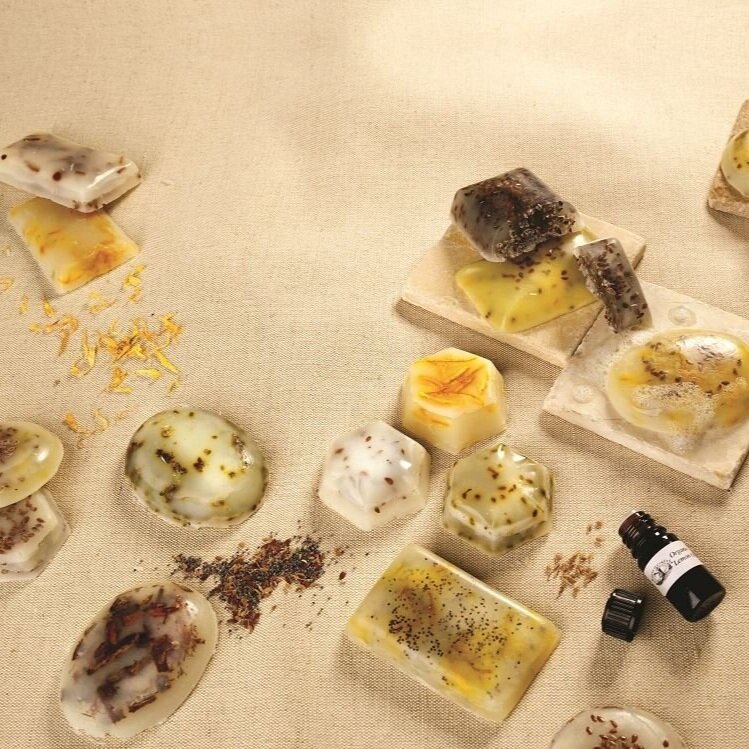
Handcrafting soap is more than a practical pursuit—it’s an immersive experience that lets you sculpt textures, infuse scents, and explore color like a painter with a palette. If you’ve ever dreamed of creating bars that feel luxurious, smell divine, and even sell well, starting with the right tools is essential. A soap making kit can provide everything you need to begin this aromatic adventure, whether for hobby or profit.
What Supplies Do I Need for Soap-Making?
Before diving in, gather the essentials. Molds shape your soap into bars or fun forms, while a digital scale ensures precise measurements. Oils like coconut, olive, and shea butter provide a nourishing base, and lye catalyzes the chemical transformation into soap. Protective gloves, goggles, and a thermometer keep your process safe, while a stick blender blends ingredients into a creamy consistency ready for molding. Optional extras, like spatulas and silicone molds, help you experiment with intricate designs.
How Do I Start Making My Own Soap?
Starting small is wise. Melt-and-pour bases allow beginners to craft visually striking soaps without worrying about lye. Once confident, venture into cold process soap-making, where you mix oils and lye directly. Keep notes on measurements, curing times, and fragrance ratios—these observations are your roadmap to consistently successful batches. The key is patience: hasty pours or skipped steps often lead to uneven texture or weak scent retention.
What Is Cold Process Soap-Making?
Cold process soap-making is a traditional technique that gives you complete control over ingredients. Oils are mixed with lye at room temperature, triggering saponification—the chemical reaction that forms solid soap. Poured into molds, the soap cures over several weeks, allowing moisture to evaporate and a firm bar to emerge. This method rewards precision, creativity, and attention to detail, resulting in bars that feel silky and last longer.
What Are the Best Fragrances for Soap Making?
A soap’s fragrance can transport the senses. Essential oils like lavender, peppermint, and eucalyptus offer crisp, refreshing notes. For a cozy vibe, try vanilla, cocoa, or sandalwood. Floral and citrus combinations, such as rose with grapefruit, produce complex and intriguing aromas. Experimentation is key—small adjustments in oil ratios can dramatically affect how a scent blooms in the final bar.
Is Making Soap Profitable?
Soap-making can be lucrative when approached strategically. Handcrafted bars appeal to customers who value artisanal quality and natural ingredients. Selling online, at craft fairs, or through subscription boxes can generate solid income. Your profit margin improves as you refine your formulas and scale production, especially if you emphasize unique scents, organic ingredients, and eye-catching presentation.
What Is the Best Organic Soap Making Kit?
A top-notch organic kit includes pure oils, natural colorants like spirulina or turmeric, and essential oils for scenting. Look for kits with reusable molds, clear instructions, and biodegradable packaging. Pre-measured ingredients save time and reduce mistakes, letting beginners focus on creativity. Quality kits not only produce superior soap but also cultivate confidence and inspire ongoing experimentation.
Final Thoughts
Soap-making is a journey where curiosity meets craft. From blending oils to adding scents and colors, each step offers a chance to express creativity and explore new textures. With patience, careful observation, and the right supplies, your kitchen can evolve into a studio of luxurious bars that delight the senses—and perhaps even generate income. Crafting soap is practical, therapeutic, and endlessly rewarding, turning a simple hobby into a fragrant adventure.